Plant and Grow Roots

Birth is a profound, unforgettable experience that shapes you as an individual and as a mother. This critical event, along with the immediate post-birth moments, significantly influences the start of your breastfeeding journey. While the process of birth, breastfeeding, and motherhood often involves relinquishing control—which is, in itself, a beautiful lesson in learning to "go with the flow" and grow—there are actionable steps you can take to foster the most encouraging environment for successful breastfeeding.
The immediate hours following birth—often called the "Golden Hours"—are a critical and sacred time for both mother and baby, profoundly influencing early bonding and the establishment of successful breastfeeding. Parents, with the support of their birth team, can take proactive steps to ensure this transition is as smooth and undisturbed as possible.
Prioritizing Immediate Skin-to-Skin Contact
The Foundation of Bonding: Skin-to-skin contact, where the naked baby is placed directly onto the parent's bare chest, is one of the most important interventions in the first hours. This practice, sometimes referred to as "Kangaroo Care" (a method famously highlighted for saving even the tiniest infants in under-resourced countries), regulates the baby's temperature, heart rate, breathing, neurological system, and helps stabilize blood sugar.
Advocacy in the Operating Room: Even in the event of a C-section, provided both mother and baby are medically stable, request and advocate for immediate skin-to-skin right in the operating room (OR). A supportive provider can facilitate this by ensuring the baby is safely positioned and appropriately covered for warmth.
The Breast Crawl: Skin-to-skin contact triggers the baby's innate rooting and feeding reflexes, allowing them to follow their biological instincts to find the breast and self-latch, often without manual assistance.This process is often interrupted by our medical system, in some ways it is almost inevitable that the baby will have difficulty with self latching. Don’t stress AT ALL if baby does not come out and latch themselves. It is almost never the case within the medical system.
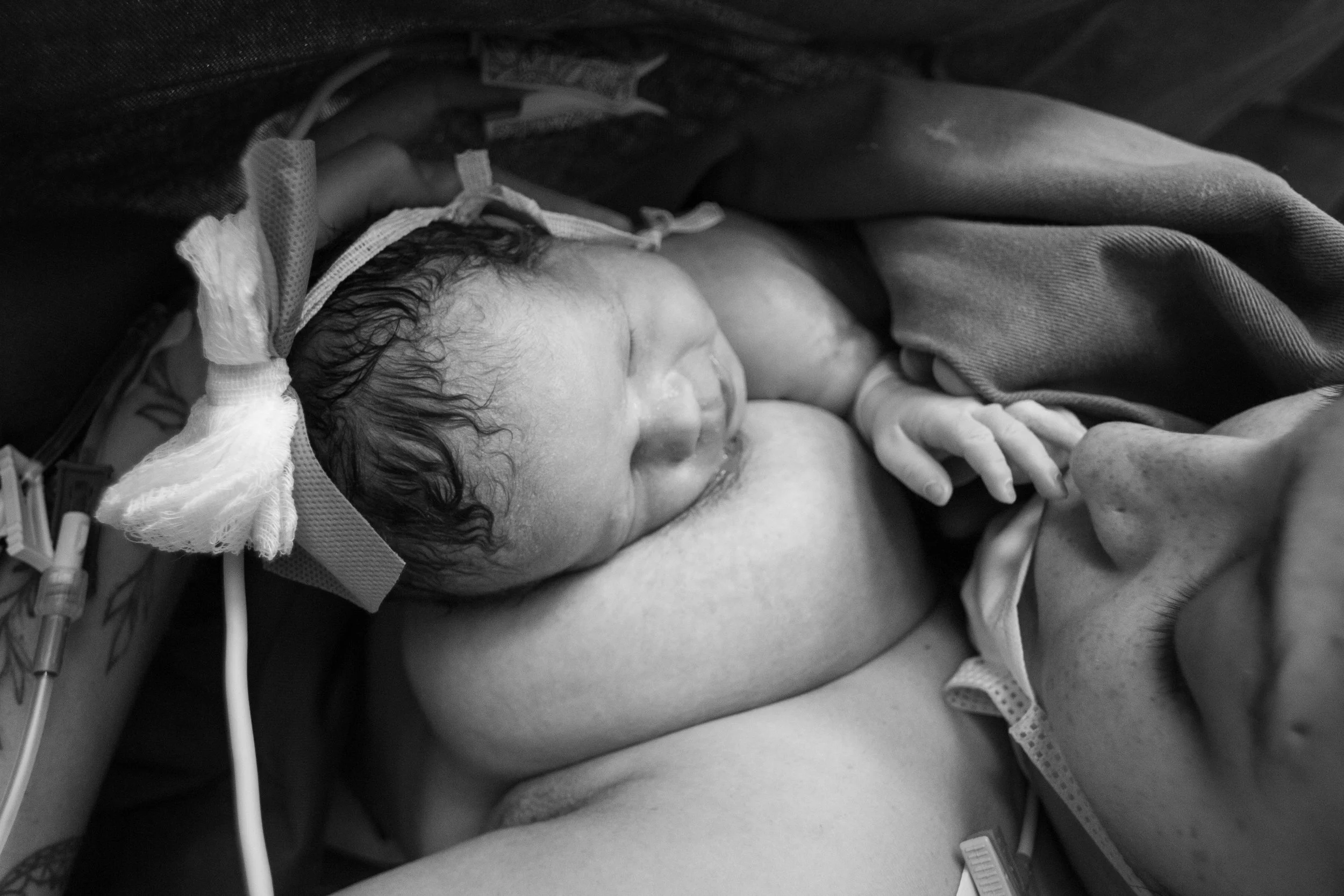

Protecting the Golden Hour: Delaying Non-Essential Care
The first hour after birth is often referred to as "The Golden Hour" because it is when newborns are typically in a state of quiet alertness, making them optimally receptive to bonding and initial feeding.
During this crucial period, all non-essential cares should be delayed. This includes routine procedures such initial weights, measurements and footprints. Vitamin K and Erythromycin eye ointment can be administered while on your chest (or delayed if you request). And the first bath should be delayed until at least 24 hours with the exception of a few medical conditions, like if mom has Hepatitis C.
Empowered Self-Advocacy in the Birth Setting
Keeping Baby Close: A core principle of the Golden Hour is keeping the baby with the birthing parent. If a healthcare provider suggests or moves to take the baby for routine assessment, an empowered parent, or support people, can politely and firmly ask: "Is my baby medically unstable?" or “Are you concerned about my baby’s well being?”
The Rule of Stability: If the provider confirms the baby is stable (i.e., breathing well, good color, and heart rate within a normal range), then the baby should remain on the parent's chest to continue bonding and feeding efforts. Maintaining this boundary supports the baby's transition and the establishment of early breastfeeding cues. This is a great time for your partner to be an advocate on your behalf.
Understanding Interventions Awareness and Its Impact
While it is essential to be profoundly grateful for medical help and intervention when needed, particularly in emergencies. It is also important to recognize that certain common medical procedures can sometimes cause "hiccups" in the early days of breastfeeding. I encourage every family to create their birth plan and share it openly with their provider. Ideally, discuss these wishes with your obstetric provider in a prenatal appointment and also have several copies in your hospital bag to hand to your team of nurses when you arrive.
The Effect of IV Fluids
When birthing parents receive a large volume of intravenous (IV) fluids during labor—common during long inductions, or to manage low blood pressure associated with an epidural—this can lead to fluid retention in both the parent and the baby. While fluids are medically necessary in many situations, it is important to understand a couple concepts related to the fluid you may need to receive.
Inflated Birth Weight: This excess fluid can result in an artificially inflated immediate birth weight for the baby.
Dramatic Initial Loss: As the baby naturally processes and excretes this excess fluid in the first day or two, it can lead to a seemingly more dramatic initial weight loss percentage. Some studies suggest that using the baby's weight at the 24-hour mark as the official baseline might be preferable to the immediate birth weight, as it offers a more accurate starting point for monitoring weight change.
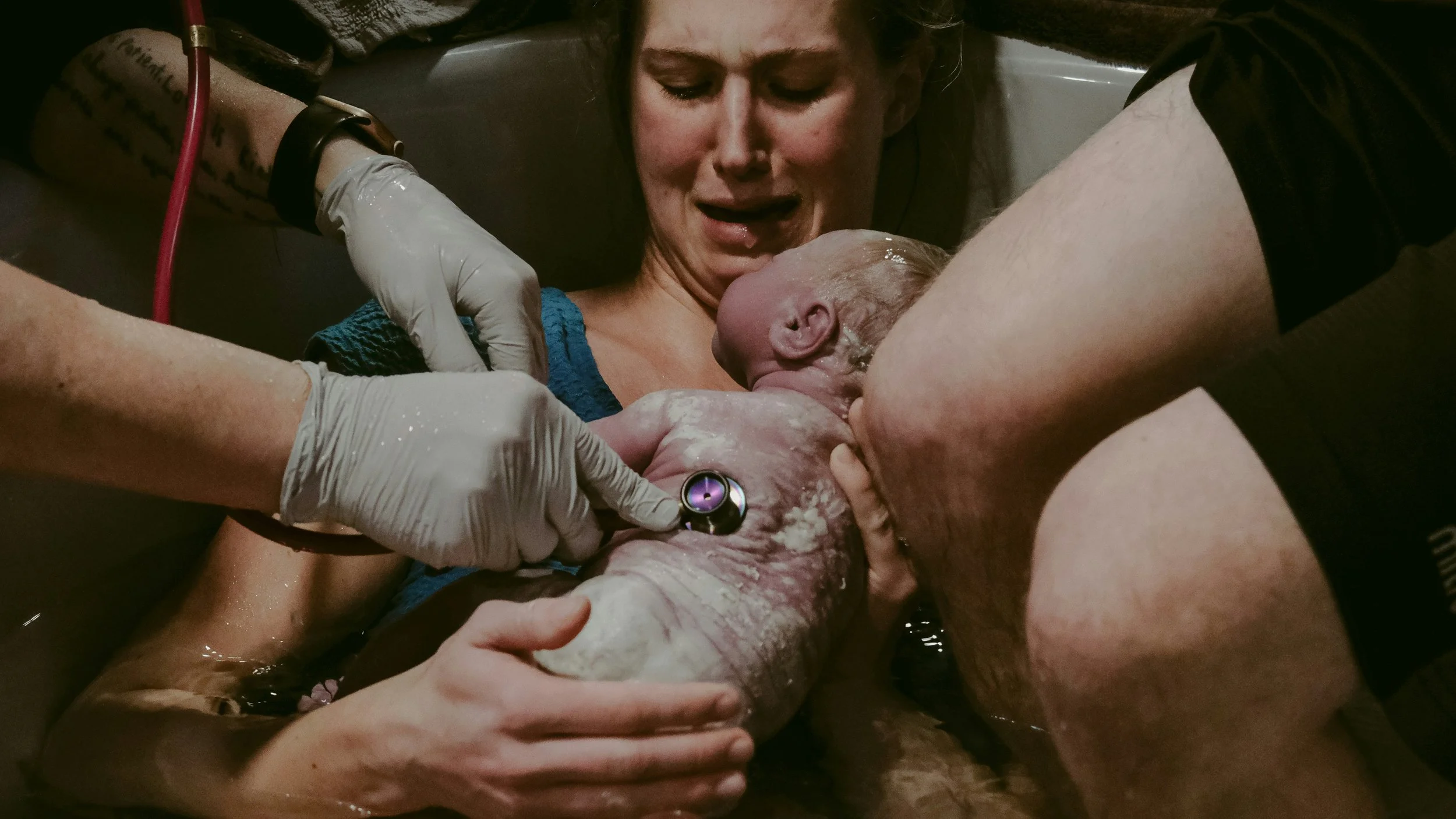
Key points to consider including in your birth plan related to breastfeeding:
Immediate, uninterrupted skin to skin after delivery.
Uninterrupted skin to skin for at least one hour AND until after breastfeeding the first time.
Allow baby and mother to latch themselves, unless mother asks for help explicitly.
Non urgent tasks delayed for the first hour.
No artificial nipples should be given to baby (no pacifier, no bottle)
No supplementation of formula or glucose without explicit consent.
If mother and baby are separated, please provide and help with initiating pumping with a double electric pump within two hours.